When Is a Root Canal Considered an Emergency?
A root canal becomes an emergency when the infection or inflammation inside the tooth causes symptoms that cannot wait. These include constant, severe throbbing pain that does not respond to over-the-counter medication, pain that wakes you up at night, sensitivity that lingers long after the hot or cold stimulus is removed, swelling in the gum, face, or jaw, and a pimple-like bump on the gum near the affected tooth (this is a draining fistula, a sign of active infection).
If you have any of these symptoms, the nerve inside your tooth is either dying or already dead, and bacteria are either causing or about to cause an abscess. Waiting will not make it better. The pain will escalate and the infection will spread.
Call (240) 387-8233 and we will get you in the same day.
What Actually Happens During a Root Canal?
Root canals have an undeserved reputation. The procedure itself is not painful. The infection causing the pain is what hurts, and the root canal is what stops it.
Here is what happens step by step:
First, we numb the tooth and surrounding area thoroughly. We do not start until you are completely comfortable. For patients who are anxious, we discuss sedation options.
Next, we place a small rubber dam around the tooth to keep it clean and dry during the procedure.
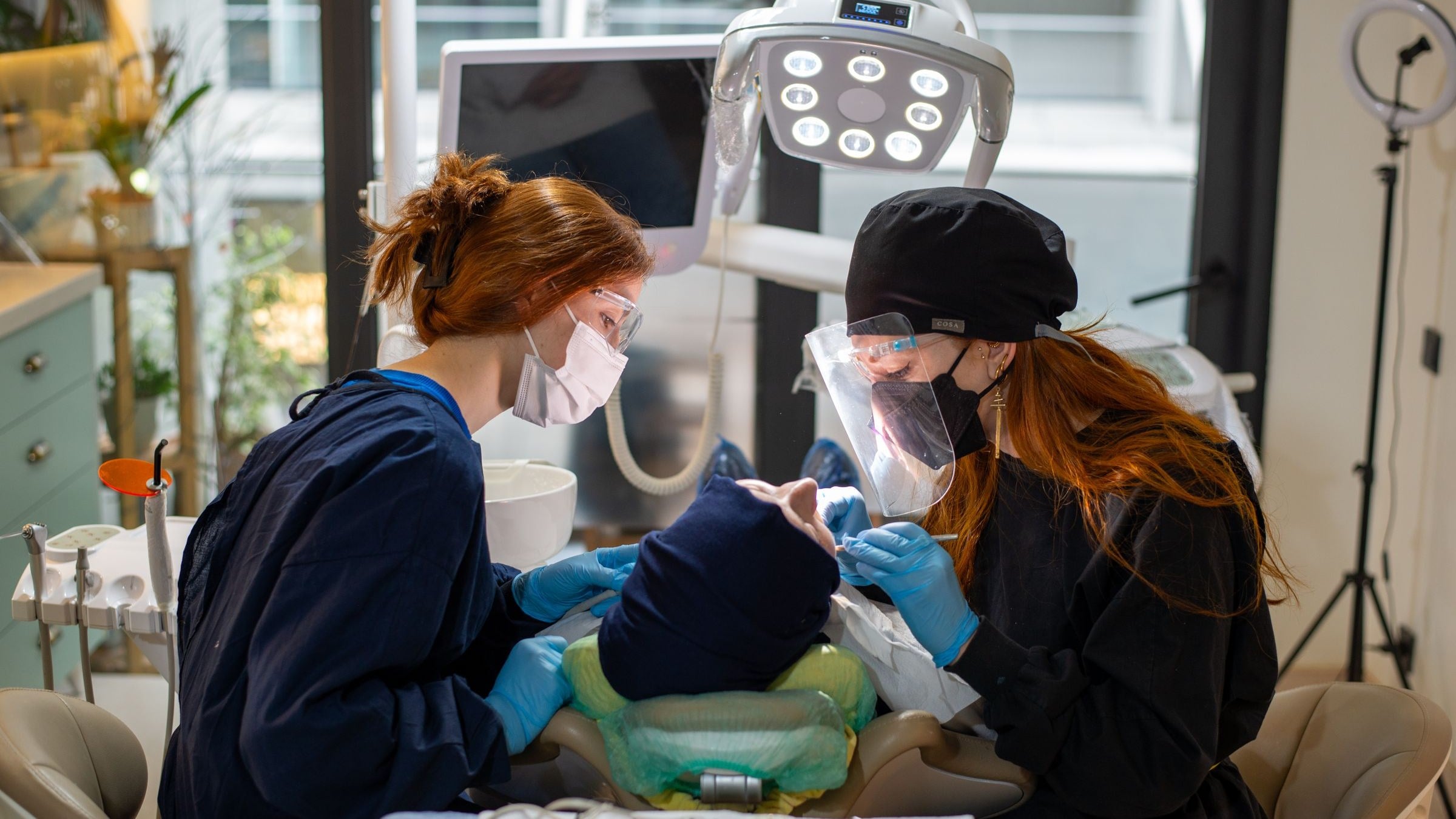
We create a small opening in the top of the tooth and use thin, flexible instruments to carefully remove the infected nerve tissue from the canals inside the roots.
We clean and shape each canal, then rinse with antibacterial solution to eliminate remaining bacteria.
The canals are filled with a rubber-like material called gutta-percha and sealed.
Finally, a temporary filling is placed. You will return for a permanent crown, usually within two to four weeks, which protects the tooth long-term.
Most emergency root canals take 60 to 90 minutes. Many patients tell us they are surprised how comfortable the experience was.
Does an Emergency Root Canal Hurt?
The short answer: no, the root canal itself does not hurt. Modern anaesthesia numbs the tooth completely, and our team has extensive experience making patients comfortable.
What hurts is the infection that brought you here. The pressure from an abscess, the inflammation of a dying nerve, the throbbing that keeps you awake at night, that is the pain. The root canal is the treatment that stops it.
Most patients report significant pain relief within hours of the procedure. Some tenderness around the tooth for a few days is normal and responds well to ibuprofen.
If dental anxiety is a concern for you, let us know when you call. We take it seriously and offer options to help you feel relaxed during treatment.
How Much Does an Emergency Root Canal Cost?
Costs vary depending on which tooth needs treatment. Front teeth have one canal and are simpler. Molars (back teeth) have three or four canals and take longer.
As a general guide:
Front tooth (incisor or canine): $600 to $900 Premolar: $700 to $1,100 Molar: $900 to $1,400
A crown is usually recommended after a root canal and is an additional cost of $800 to $1,500.
Most dental insurance plans cover emergency root canals, typically at 50 to 80 percent after deductible. We verify your benefits before treatment and can estimate your out-of-pocket cost.
Do not let cost concerns stop you from calling. A root canal today is almost always less expensive than the extraction and implant that becomes necessary if the tooth is not treated.
Why Choose Emergency Dentist of Rockville for Your Root Canal?
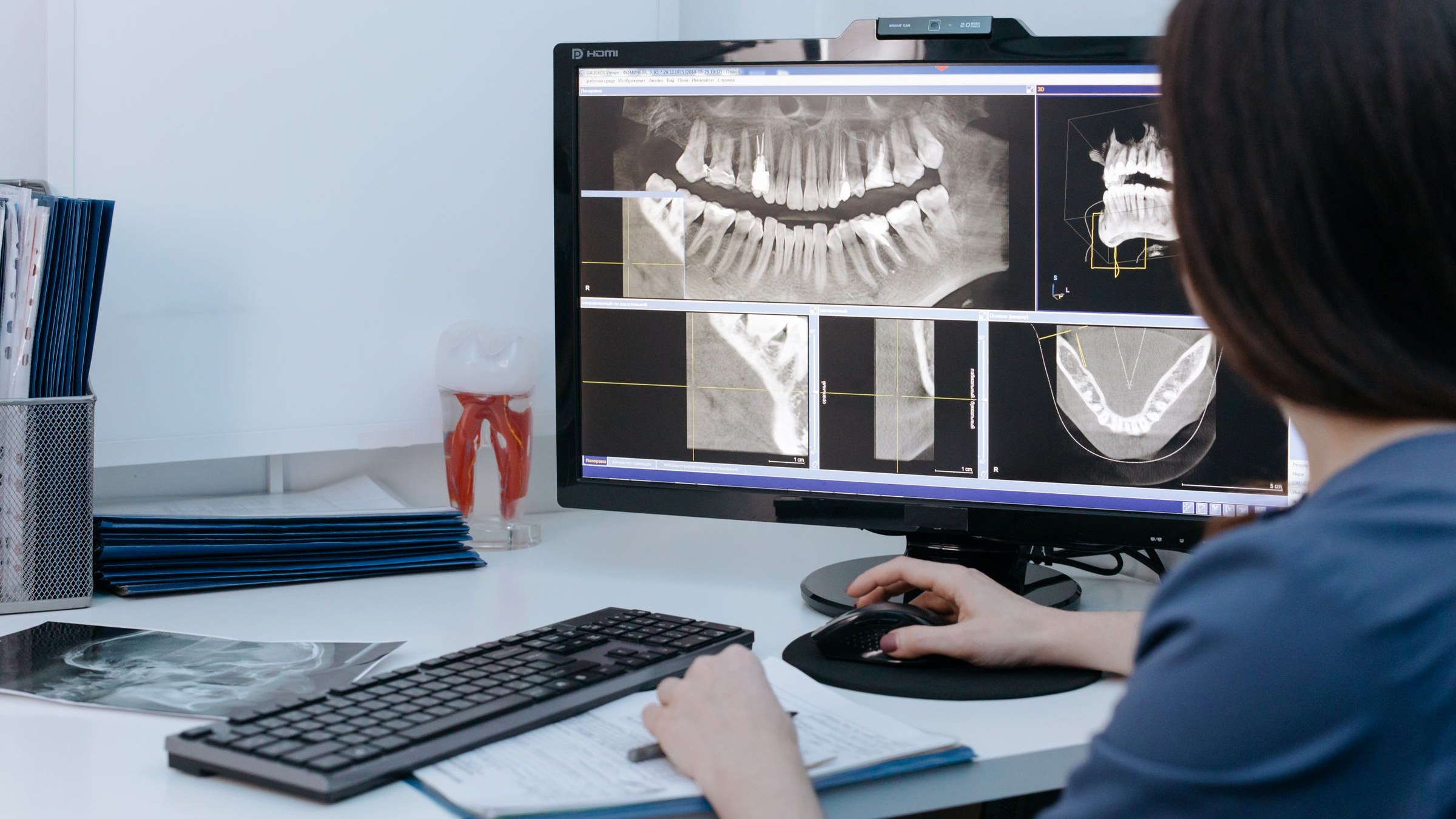
We handle emergency root canals regularly, so our team is efficient and experienced. We have the digital imaging equipment, rotary endodontic instruments, and materials to complete most root canals in a single visit.
Our clinic at 12034 Chase Crossing Circle in North Bethesda is set up for urgent cases. We keep slots open for same-day emergencies, so you are not waiting days in pain.
We serve patients throughout Montgomery County, including Rockville, Bethesda, Gaithersburg, Silver Spring, Wheaton, Potomac, Aspen Hill, and Derwood. If your tooth is in trouble, we can help. Call (240) 387-8233.